An Energy-Efficient Option: Exploring Heating Pump Benefits
In a world increasingly centered on eco-friendliness and energy efficiency, heat pumps have surfaced as a compelling option for property owners seeking capable solutions for warmth and climate control. These advanced systems not only provide considerable reductions on utility costs but also showcase a negligible ecological footprint compared to conventional HVAC systems. As we look towards future energy needs, it raises the question: could heat pumps represent the future of home heating and climate control?
Grasping heat pumps is key for homeowners wishing to embrace this energy-efficient technology. This manual will delve into the various advantages heat pumps provide, from their performance in varied climates to installation considerations and care advice. If you are interested about air source versus soil-based heat pumps or looking for insights on how to optimize your indoor comfort throughout the year, this article aims to furnish you with the insight necessary to take an educated decision about your home’s heating and cooling.
Comprehending Heat Pumps
Heat pumps are innovative systems that provide both heating and temperature regulation for homes by shifting heat rather than producing it. They operate on a simple principle that involves the movement of heat from a location to another. In winter, heat pumps extract heat from the outside air or earth and bring it inside, heating the home. In summer, the function inverts, and they extract heat from the indoor air, providing a chilling effect. This effectiveness makes heat pumps an increasingly popular choice for homeowners wanting eco-friendly and affordable climate control options.
There are two main types of heat pumps: air source and earth-based. Air source heat pumps draw heat from the external air, even in lower temperatures, while ground source heat pumps, also known as geothermal systems, make use of the earth's stable temperature below the surface to efficiently regulate indoor temperatures. Both type has their benefits and downsides in terms of setup, effectiveness, and price. Learn more should consider their individual needs and local climate when determining which type of heat pump is most appropriate for the home.
Understanding the efficiency of heat pumps compared to traditional HVAC systems is crucial for homeowners. Heat pumps can offer significant energy savings, with some models operating at four times the efficiency of traditional heating systems. This means that for each unit of electricity used, heat pumps can produce multiple units of heating or cooling. Additionally, as improvements in technology further improve their performance, heat pumps are set to become an more attractive option for those seeking dependable and effective home climate management.
Benefits of Heat Pumps
Heat pumps are progressively recognized for their ability to efficiently use energy, providing a cost-effective solution for both warmth and air conditioning needs. Unlike standard HVAC technologies that create heat or cool air, heat pumps move existing heat from one place to another, making them significantly more efficient. This mechanism allows homeowners to reduce on energy bills while also reducing their carbon footprint. Given the escalating costs of energy and the heightening concern over environmental impacts, heat pumps present an attractive option for those looking to enhance their home systems.
Another key benefit of heat pumps is their adaptability and ability to conform to different climates. Current heat pumps are designed to function effectively in chilly weather, which makes them suitable for regions like Colorado. With advancements in techniques, heat pumps now maintain efficiency even when temperatures drop, providing dependable warmth during the winter season. This flexibility not only improves indoor comfort throughout the year but also positions heat pumps as a practical alternative to standard heating methods that often have difficulties in colder conditions.
Furthermore, heat pumps contribute to a more wholesome indoor environment by ensuring consistent temperatures and improving air quality. By circulating air more productively and lowering humidity levels, heat pumps establish a more enjoyable living space. Additionally, many units are integrated with intelligent thermostats, allowing for exact temperature control and energy savings. With the additional incentive of prospective rebates and tax credits, switching to a heat pump can be a wise financial decision for homeowners looking to enhance comfort and efficiency in their homes.
Heat Pump Setup and Maintenance
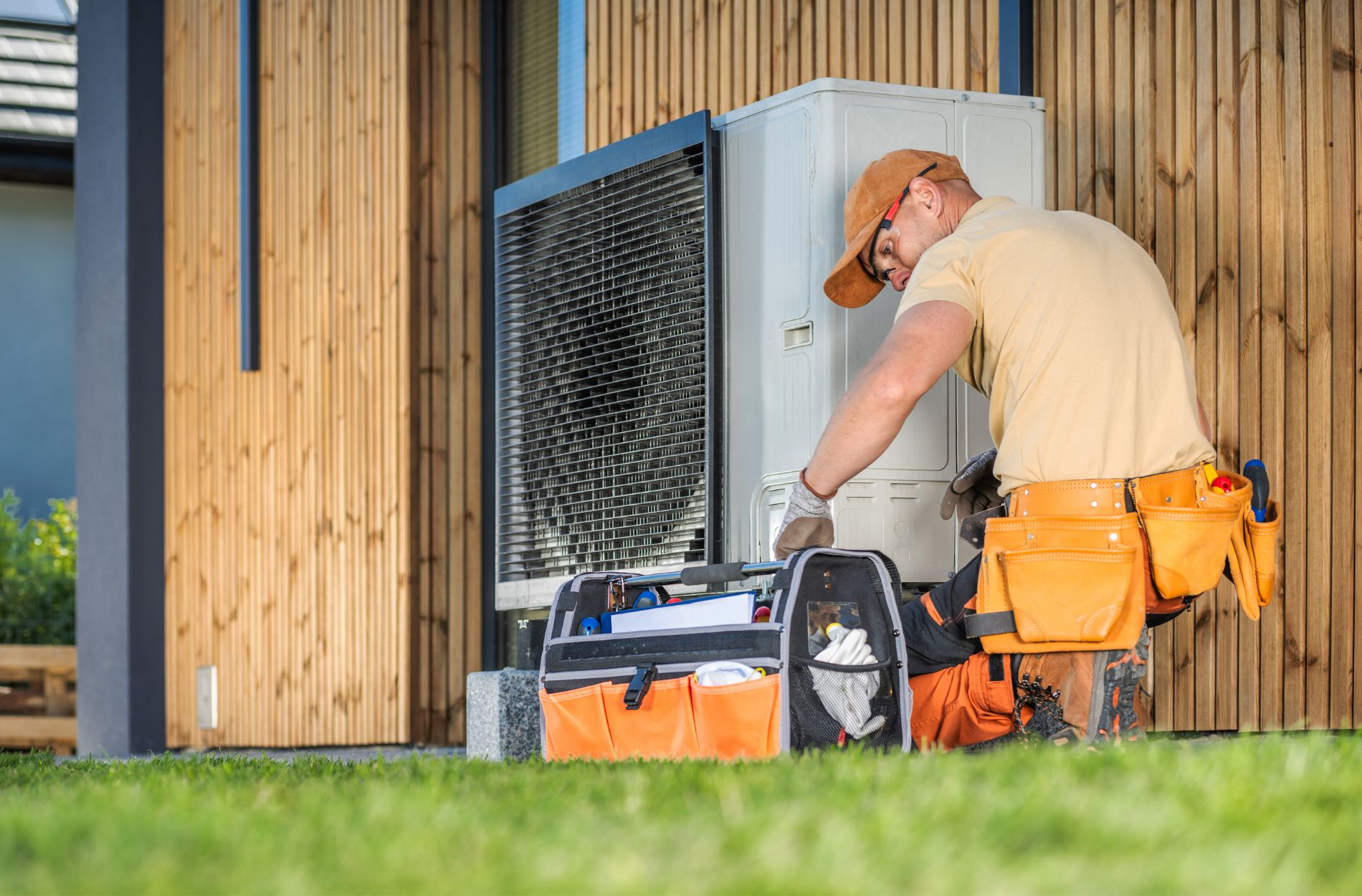
Installing a heat pump can greatly enhance your home's heating and coolness efficiency, but proper installation is crucial for best performance. Homeowners should hire a qualified technician who understands the particular requirements for their home and the chosen heat pump system. Aspects such as the size of the space, the weather, and existing ductwork will influence the installation process. Having a qualified technician assess these components can help ensure that you choose the appropriate heat pump and install it efficiently to boost its efficiency.
Once installed, regular maintenance is essential to keep your heat pump operating efficiently and to extend its lifespan. Homeowners should schedule annual maintenance visits with a certified technician to check for any problems and perform necessary repairs. Simple tasks such as changing filters, washing the outdoor unit, and checking for refrigerant leaks can also be performed by the homeowner to maintain efficiency and reduce energy costs. Additionally, keeping the surroundings around the heat pump clear of obstructions can improve airflow and performance.
It is also important to be aware of common heat pump issues that may arise over time. Odd noises, inefficient heating or cooling, and higher energy bills can all indicate that something is amiss. By recognizing these signs early and tackling them promptly, homeowners can avoid more extensive and extensive repairs. Staying proactive about maintenance and being educated on possible issues will help make certain that your heat pump remains a dependable and energy-efficient choice for your home.