Cool Comfort: Steps to Positioning Your AC Unit
Installing an air con is a crucial step in providing comfort in your residence, particularly during those sweltering summer months. With so many options out there, regardless of whether you're thinking about central air or a ductless mini-split system, understanding how to tackle installation can be intimidating. This manual will take you via all the essentials to learn about air conditioning installation, from the key signs that suggest it’s time for a new unit to specialist tips on picking the appropriate unit for your particular needs.
Comprehending the installation process is essential not only for gaining optimal comfort but also for maximizing energy efficiency and reducing your utility bills. From setting up your home for installation to recognizing common mistakes to prevent, this detailed article will supply you with the insight needed to make informed decisions. Regardless of whether you're a new homeowner or looking to enhance your present system, we’ll cover all the details to assist you stay cool and comfortable for years to come.
Signs You Require a Replacement Air Conditioner
As a property owner, it is vital to identify the signs that indicate it may be time to invest in a replacement air conditioning unit. One of the key indicators is persistent breakdowns. If you find yourself calling for repairs, particularly during peak summer months, it could be a sign that your air conditioner is at the end of its service life. Constant issues not only disrupt your comfort but can also lead to rising costs that might exceed the value of an outdated system.
Another obvious sign is a significant uptick in energy bills. If your utility bills have surged without any variations in usage patterns, your aging air conditioner may be struggling overtime to maintain your home. An underperforming unit finds it hard to achieve the set temperature, wasting more energy in the process. This lack of efficiency not only affects your wallet but also has larger implications for energy consumption and the ecology.
Lastly, consider the total comfort condition in your home. If particular rooms are awkwardly hot or cold, your air conditioning system may not be sufficiently sized or performing effectively. Irregular cooling is often a cue that a unit is not working to execute its fundamental role. By addressing Visit this page , you can avoid further discomfort and ensure a trustworthy cooling system for your home.
Selecting the Appropriate Unit for Your Home
While selecting an air conditioning unit for your home, it’s important to evaluate the size of the space you want to cool. An inadequate unit will struggle to maintain comfortable temperatures, while an excessive unit may cool the area too quickly, leading to suboptimal energy use and humidity issues. To find the appropriate size, you can use the British Thermal Unit (BTU) rating, which indicates the cooling capacity of the unit. A certified contractor can perform a load calculation to assist you determine the correct size for your home.
In addition to size, you'll want to consider the kind of air conditioning unit that is ideal for your needs. Whole-house air conditioning systems are suitable for cooling big homes and provide even temperature distribution through ductwork. On the flip side, ductless mini-split systems offer adaptability, allowing you to cool certain rooms without the need for large ductwork. Take into account elements like installation costs, energy efficiency, and your home's layout when making your decision.
Lastly, think about the features that are provided by modern air conditioning units. Eco-friendly models with high SEER ratings can lower your utility bills and limit your carbon footprint. Smart thermostats that integrate with new air conditioning units allow for remote control and scheduling, enhancing ease and efficiency. Look for more features such as variable-speed compressors, air filtration systems, and sound reduction technology to ensure the best air conditioning experience for your home.
The Installation Process: What to Anticipate
Once you decide to set up a new air conditioning unit, the initial step will usually involve scheduling a consultation with a certified installer. During this visit, the technician will evaluate your home, taking into account its size, layout, insulation, and existing ductwork if applicable. They will help you choose the right type and size of air conditioner that will effectively cool your space while considering your budget and energy efficiency needs.
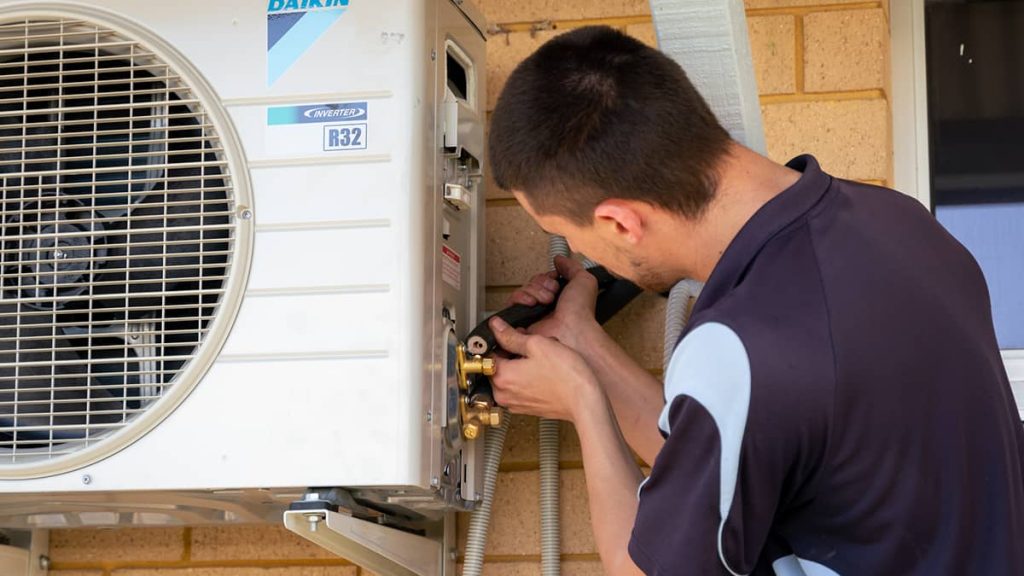
On the day of installation, the team will arrive with all equipment and tools. They will begin by readying your home, ensuring that the work area is clear and covering your flooring and walls as needed. The installation process may differ depending on the kind of system chosen, whether it is central air or a ductless mini-split. Generally, the technicians will install the outdoor unit and link it to the indoor components, running refrigerant lines and electrical wiring as necessary.
Once everything is installed, the technician will conduct a thorough inspection to ensure everything is working properly. They will explain the new system's capabilities, provide guidance on how to operate it, and offer maintenance tips to ensure optimal performance. At the end of the installation, you can look forward to a clean and tidy work area, along with the peace of mind that comes from having a skilled installation.