Heat Pump Systems vs. Standard Heating Systems: A Comprehensive Guide
Recently, the debate between heat pump systems and traditional heating and cooling systems has gained substantial traction among property owners. As energy-saving measures and environmental concerns rise to heighten, many are looking for options to conventional HVAC systems. Heat pumps have emerged as a prominent contender, providing innovative technology that not only offer lower utility costs but also a reduced carbon footprint. This detailed resource aims to simplify heat pumps, investigating their mechanics, efficiency compared to traditional systems, and how they might be the right option for your home.
Whether you live in a chilly climate like Colorado or are looking into the latest choices available in 2026, understanding heat pumps is crucial for making educated decisions about the heating and cooling needs of your home. From the basics of setting up to the benefits of making the switch, we will cover all homeowners need to know, including maintenance tips, installation expenses, and ways to recognize the signs that it’s time to upgrade your existing unit. So, let’s examine the universe of heat pumps and see if they are indeed the future of home heating and cooling.
Understanding Heat Pumps
They are advanced systems designed to simultaneously provide heating and cooling living spaces by transferring heat between the inside and outside of a house. Differing from traditional heating solutions that produce heat from fossil fuels, oil, or electricity, heat pumps move pre-existing heat. In warmer months, they extract heat from inside your home and release it outside, while when it’s cold, they do the reverse by drawing heat from the outdoor air or ground and transferring it inside. This special functionality makes them an eco-efficient alternative to traditional HVAC systems.
One of the key advantages of heat pumps is their efficiency. They can provide more energy than they use by utilizing a minimal amount of electricity to support the heat movement process. This efficiency translates to reduced utility bills and a reduced carbon footprint, making heat pumps an environmentally-friendly choice for homeowners. Moreover to being sustainable, they can efficiently maintain a pleasant indoor climate year-round, adjusting to seasonal variations smoothly.
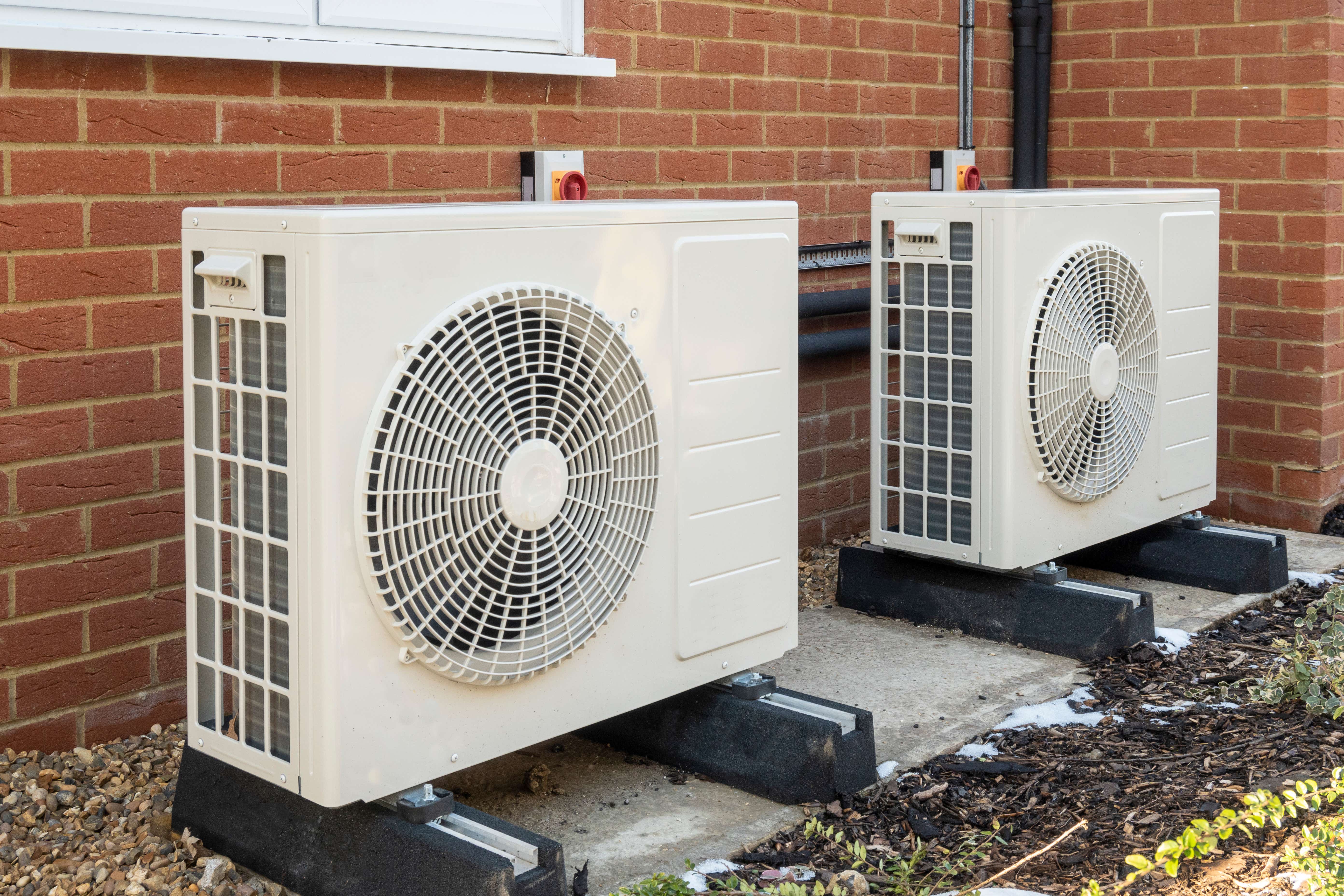
Furthermore, heat pumps are available in various models, including air-source and ground-source models, each offering distinct benefits according to installation specifics and climate considerations. Homeowners considering a move to heat pumps should assess their individual requirements, such as home size and local weather, to find the most appropriate type. Given the continued advancements in technology and growing awareness of their advantages, heat pumps are regarded as a leading solution for future home heating and cooling.
Advantages and Costs of Heat Pumps
One of the primary advantages of heat pumps is their energy efficiency. Unlike traditional HVAC systems that create heat by combusting fuel, heat pumps move heat, using less energy to achieve the desired indoor temperature. This can lead to notably reduced energy bills, making heat pumps an attractive option for homeowners. Moreover, heat pumps can provide both warmth and air conditioning, offering all-season comfort without the need for individual systems, which can further reduce on installation and care costs.
However, the initial installation expense of heat pumps can be a concern for many. While prices can vary widely depending on the kind of heat pump and installation specifics, they generally have a higher preliminary cost compared to standard heating systems. Homeowners should take into account not just the installation costs but also the extended savings on energy bills. Additionally, various incentives and tax deductions available can help offset preliminary expenditures, making heat pumps more monetarily viable in the future.
Another consideration to evaluate is the possible lifespan and care of heat pumps. They are designed to last longer than traditional systems, often providing reliable service for 15 years or more with proper care. Regular maintenance is important to keep them running efficiently and to lengthen their life. Understanding the costs related to ongoing maintenance and repairs is vital when considering the total cost of ownership for heat pumps, ensuring that homeowners are fully informed before making their decision.
Installation and Maintenance Insights
Setting up a heat system demands careful planning and assessment of multiple elements, such as the dimension of the unit and the particular climate control necessities of your home. A trained installer can help decide the appropriate kind and measurement of the heat pump, factoring in the configuration of your property and surrounding weather factors. When setting up https://airsourceheatpumpsyorkshire.com/ , it’s crucial to assess whether a ducted system or ductless is better for your space. Considering these considerations can produce optimal performance and optimal comfort.
Once your heat pump is installed, regular upkeep is vital to secure its lifespan and performance. Scheduled servicing, which includes vacuuming air filters, inspecting refrigerant levels, and examining ductwork, can help prevent common issues that may occur. Property owners should strive to schedule a professional maintenance check at least yearly. Basic tasks like keeping the external unit uncluttered and guaranteeing proper airflow can also contribute to a heat pump's efficiency and durability.
Additionally, it’s essential to teach yourself on how to resolve insignificant problems that can arise with heat pumps. Typical issues may involve strange auditory disturbances, variable temperature readings, or diminished effectiveness, which can often be resolved with basic tweaks. Nonetheless, knowing when to consult a trained expert is also crucial. Taking initiative about both regular maintenance and trivial issue resolution can enhance the durability of your heat pump while confirming it operates at optimal performance throughout the time.