Heat Pumps 101: An In-Depth Overview for Homeowners
As householders increasingly look for optimized and green heating and cooling solutions, heat pumps have emerged as popular choice. These adaptable units not just provide comfort all year but also provide an opportunity for significant energy savings and reduced environmental impact. In the following comprehensive guide, we will discuss the essential information about heat pump technology, covering how they operate to their installation process and care, guaranteeing you can make informed decisions for your home.
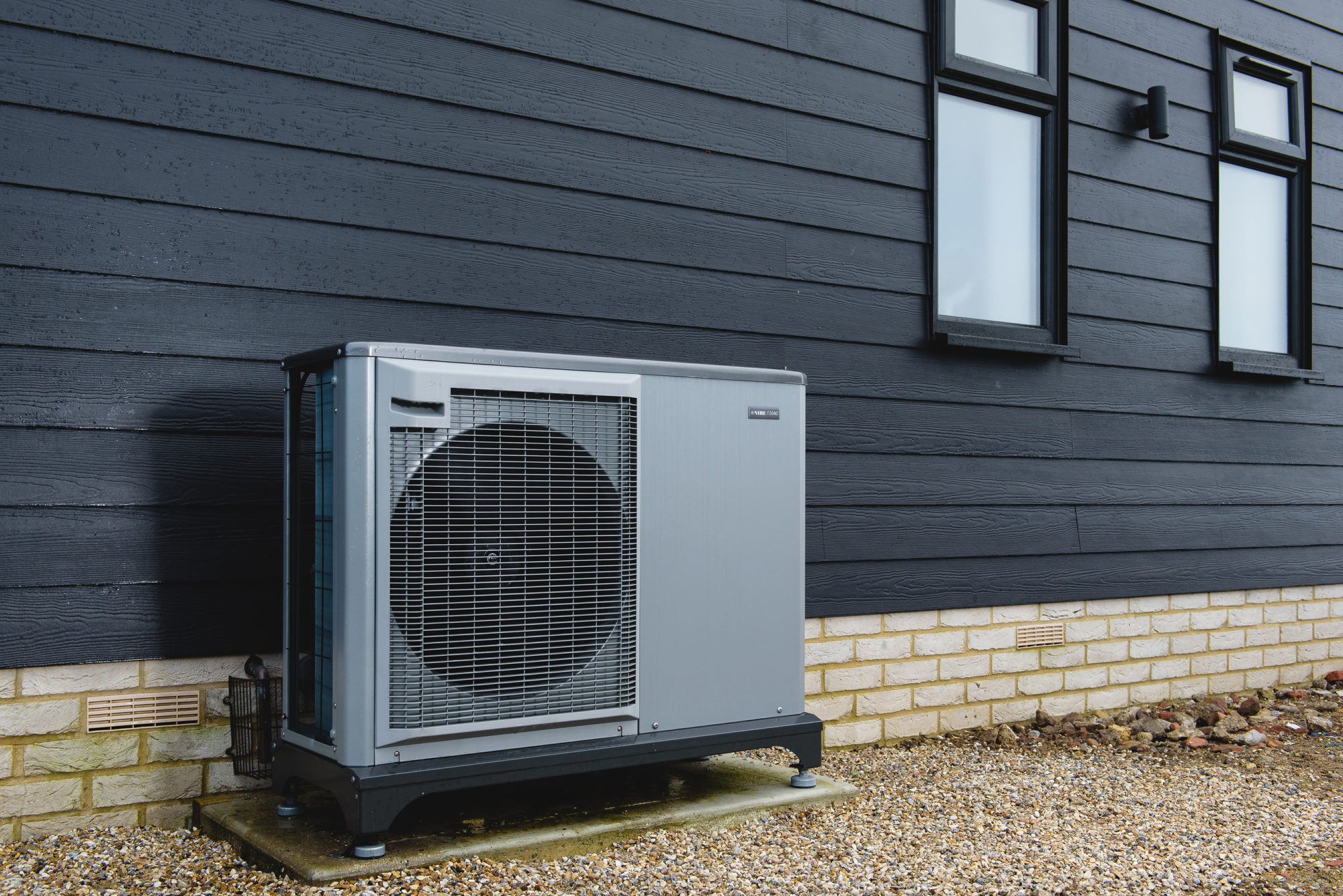
We will delve into the various types of heat pumps, like air source and ground source, and analyze their performance in varied climates. Whether you are thinking about a heat pump for a new construction, a retrofit, or simply seeking to enhance your current HVAC system, this guide will address essential topics such as efficiency comparisons with conventional units, installation costs, potential rebates and tax credits, and much more. Accompany us while we explain heat pumps and showcase the benefits they can bring to householders in 2026.
Comprehending Heat Pumps
Heating pumps are advanced devices engineered to shift thermal energy from one place to another, delivering both heating and air conditioning for homes. They work by absorbing heat from the outside air, earth, or liquid and moving it into a space to increase the temperature of a space during winter. Conversely, in warmer months, heat pumps can flip this process, taking heat from the inside of the home and releasing it outside. This two-way capability makes them a versatile choice for homeowners seeking to keep comfortable indoor temperatures throughout the year.
One of the main benefits of heat pumps is their operational efficiency. In contrast to conventional HVAC systems that create heat through burning fuel or electric resistance, heat pumps move existing heat, demanding less energy to achieve the same level of comfort. This efficiency translates to decreased utility expenses and a smaller carbon footprint, making heat pumps an environmentally friendly option for home heating and cooling. As energy expenses escalate, the monetary benefits of using heat pumps turn more enticing to homeowners.
As with any home system, grasping heat pumps is vital to making smart choices about placement and maintenance. When considering a heat pump, it’s necessary to evaluate factors such as the size of the system, type (air source or ground source), and specific installation requirements. Knowledge of how heat pumps operate and their benefits can empower homeowners to pick the best system for their requirements, securing optimal performance and satisfaction.
Benefits and Factors
Heat pumps offer a variety of advantages that make them a great option for homeowners. https://airsourceheatpumpsyorkshire.com/ of the main benefits is their ability to save energy. Heat pumps can move heat rather than generating it by combusting fuel, which means they use substantially less energy to heat or cool a house. This results in lower energy bills, making them a cost-effective choice in the long run. Additionally, heat pumps have the flexibility to provide both heating and cooling, eliminating the need for separate HVAC systems and streamlining climate management at home.
Nevertheless, there are issues to take into account when choosing a heat pump system. For instance, heat pumps can be less effective in extremely cold climates, as their efficiency decreases as the temperature outside drop. Homeowners in such regions may need to think about a dual-fuel system or another heat source. Furthermore, setup costs can be more expensive than traditional HVAC systems, which may impact the choices for some homeowners. It is important to consider these factors against potential long-term savings and eco-friendly advantages.
Finally, proper maintenance and installation are crucial for maximizing the duration and performance of a heat pump. Routine maintenance is necessary to ensure optimal performance and efficiency. Users should also be cognizant of local incentives, such as rebates or tax credits, which can make the transition to a heat pump more affordable. Investigating and selecting a trustworthy installer can help avoid common mistakes and ensure a smooth installation.
Installation and Maintenance
When it comes to installing of a heat pump, it's crucial to hire a qualified professional that comprehends the particular demands of your home. The installer will evaluate factors like your home's size, insulation, and local climate to recommend the appropriate type and size of heat pump. Proper installation plays a key role not only for the efficiency of the system but also for ensuring maximum efficiency and longevity. Be prepared for the installation process to take a few hours to a few days, depending upon how complex of the system and in case any additional ductwork is needed.
Regular maintenance is important to ensure your heat pump functioning well and to prolong its lifespan. Homeowners must get their heat pumps maintained at least one time a year, which includes checking for refrigerant leaks, cleaning the coils, and checking the electrical components. Replacing or maintaining air filters every several months also plays a significant role in the efficiency of heat pumps. Routine maintenance can help prevent unforeseen issues, lower repair costs, and ensure that your system functions at maximum efficiency year-round.
In addition to regular service, being proactive about identifying common issues can save homeowners time and money. Learn the signs of signs that may indicate your heat pump needs attention, including odd sounds, reduced heating or cooling efficiency, or rising energy bills. By tackling problems early and ensuring proper maintenance, you can enhance the benefits of your heat pump system and maintain a comfortable home environment regardless of the season.