jumble Your Brain: Fun Methods for Word Challenges
If are a fan of word games, it's well-known that a good word scramble can be both a entertaining challenge and a great way to stimulate your mind. Regardless if you are a casual player or a competitive solver, mastering the art of unscrambling letters into meaningful words can enhance your game and sharpen your cognitive skills. In this article, we will explore an assortment of strategies to help you tackle word scrambles with confidence and speed, making sure you are equipped with effective tips and tricks from the experts.
From comprehending common letter patterns to utilizing advanced techniques used by seasoned puzzle solvers, our goal is to enhance your word challenge experience. You'll not only find out how to improve your vocabulary and sharpen your problem-solving skills, but you'll also learn about the psychological aspects that make word puzzles extremely appealing. Prepare yourself to unlock your potential as we plunge into the world of word scrambles and uncover how these delightful puzzles can boost your brain and entertain your family and friends.
Specialist Advice for Cracking Word Scrambles
One effective technique for handling word scrambles is to frequently look for frequent prefix components and suffix components. Prefixes like “pre,” “plus” suffixes such as “ly,” can considerably narrow down your options. By spotting these common components, you can more easily reconstruct the targeted word. Focusing on these elements allows you to analyze the scrambled letters methodically, allowing for faster recognition of the ultimate word.
Another useful strategy is to acquaint yourself with common letter patterns in the English system. Many words conform to specific sequences, such as consonant-vowel combinations. For example, words often start with consonants followed by vowels. When confronting a jumble, pay careful attention to the position of vowels and determine potential consonant blends. This exercise requires a keen eye but can lead to more rapid solutions, changing your approach to deciphering word scrambles.
Practice is essential for boosting your skills in word scrambles. Working consistently with puzzles not only refines your ability to understand jumbled letters but also expands your vocabulary. Start with more straightforward puzzles and gradually progress to more complex ones. Consider recording yourself to improve speed, or team up with friends to create a fun atmosphere. Such practices can significantly enhance your skills and make the experience more pleasurable, ultimately leading to improved solving sessions.
Common Approaches and Errors
When tackling word scrambles, many seasoned players rely on familiar strategies that can considerably enhance their decoding speed. One effective method is to begin by finding the vowel letters in the jumble. Vowels often form the core of words, so pinpointing them can provide a robust starting point. Additionally, looking for common prefixes and suffixes can aid in discerning the possible formation of the word. Words that start with “un”, “re”, or finish with “ing” or “ed” are common in the English language, making clues extremely helpful.
Another strategy involves organizing the letters. Players can spend a moment to rearrange the letters visually, either on paper or mentally, into known segments. Creating small clusters can sometimes lead to recognizing patterns or combinations that resemble real words. Furthermore, practicing with various word scramble puzzles can enhance this skill. Ongoing exposure to different letter combinations enables players to become accustomed with frequent letter pairings, boosting their ability to solve scrambles swiftly.
However, there are errors to avoid. One of the most frequent mistakes made by beginners is to fixate too heavily on attempting to solve the scramble too quickly, leading to overlooked combinations. It is vital to combine speed with careful observation of the letters and potential arcs of words. Another common error is forgetting to check for plurals or alternate forms of words, which may not be immediately apparent. Players should note to take a moment back when they feel stuck and re-evaluate the letters rather than compelling a solution.
Educational Benefits and Cognitive Development
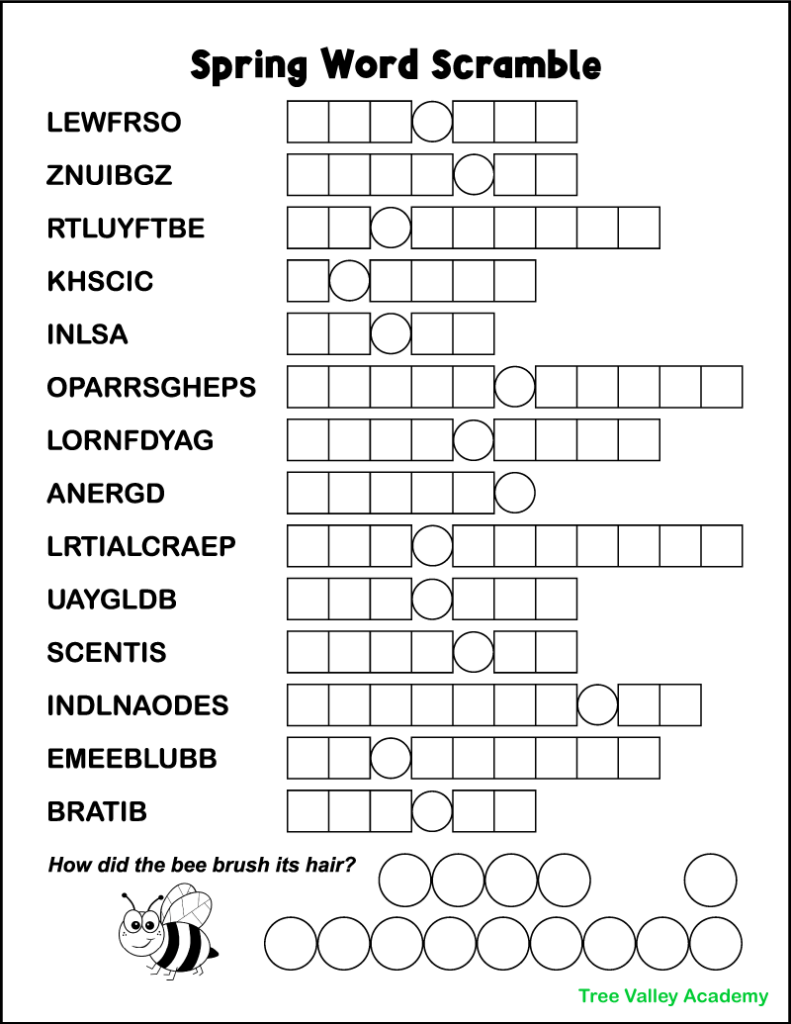
Participating with text jumbled puzzles offers significant educational benefits that go past mere entertainment. For children, these games serve as a fun and interactive way to improve vocabulary and spelling skills. As they try to unscramble mixed words, they actively engage in critical thinking and problem-solving, which are vital components of intellectual development. This active method to learning can foster a passion for linguistics and encourage more exploration of words and their definitions.
In addition to word enhancement, word scrambles help boost memory and mental agility. The act of identifying patterns, remembering word forms, and quickly reshuffling letters stimulates cognitive function, improving both short-term and long-term memory. Regular participation in these exercises can lead to better concentration and attention spans, making word games an excellent exercise for the mind.
Additionally, word games encourage teamwork and collaboration when played in teams. This collaborative environment encourages discussion and dialogue about word options and strategies, fostering a positive educational atmosphere. As word scramble solver compete each other, they not only sharpen their language skills but also develop connections and strengthen social bonds, making word scrambles a beneficial tool for academic and interpersonal development.