Piling Services 101: Establishing a Solid Foundation for Your Projects
When it comes to construction, foundations are the key to success. It is the base upon which structures are built, guaranteeing safety and strength. Piling solutions are vital in this process, providing the deep foundations necessary for various types of buildings, from residential homes to towering skyscrapers. Here, check here 'll examine the essential aspects of piling services, explaining their nature, their value in the construction industry, and the different methods employed to establish solid and dependable foundations.
Comprehending the nuances of piling might be overwhelming, but it is essential for all building projects. Whether you are involved in planning a new development or reinforcing an existing structure, noticing the signals that indicate your project needs piling is critical. This comprehensive guide will delve into the different types of piling, the advantages of expert services, and how to choose the right solution tailored to your specific needs. Join us as we build a solid foundation of knowledge about piling services and their pivotal role in successful construction endeavors.
The Significance of Piling Solutions
Piling services play a crucial role in development by providing strong foundations that can support buildings of diverse sizes and complexities . In areas where soil conditions are not favorable for conventional foundations, piling methods are essential to ensure that buildings remain stable and stable over time. By transferring the load of a structure deep into the ground, these services mitigates risks associated with moving ground, too much moisture, and other environmental factors . This is particularly crucial for large-scale construction projects where structural integrity is of utmost importance.
Additionally, efficient piling services can greatly enhance the longevity of a building. Piling techniques are designed to accommodate variations in soil composition and load-bearing capacity, allowing for tailored solutions that meet specific project needs. As a result, structures built on strong foundations are less prone to issues such as settling or foundation failure, which can lead to financial burdens and safety hazards down the path. This preventative approach to construction can save time and resources while ensuring the stability of the project.
In further, the elements involved in piling services extend beyond just first construction. Factors like climatic factors, soil types , and site characteristics can influence the effectiveness of piling methods. Expert piling services provide invaluable expertise in analyzing these variables, ensuring wise decisions are made during the design and installation phases . This comprehensive understanding of piling not only contributes to enhanced safety but also lays the groundwork for successful construction outcomes across multiple projects.
Types of Piling and Their Applications
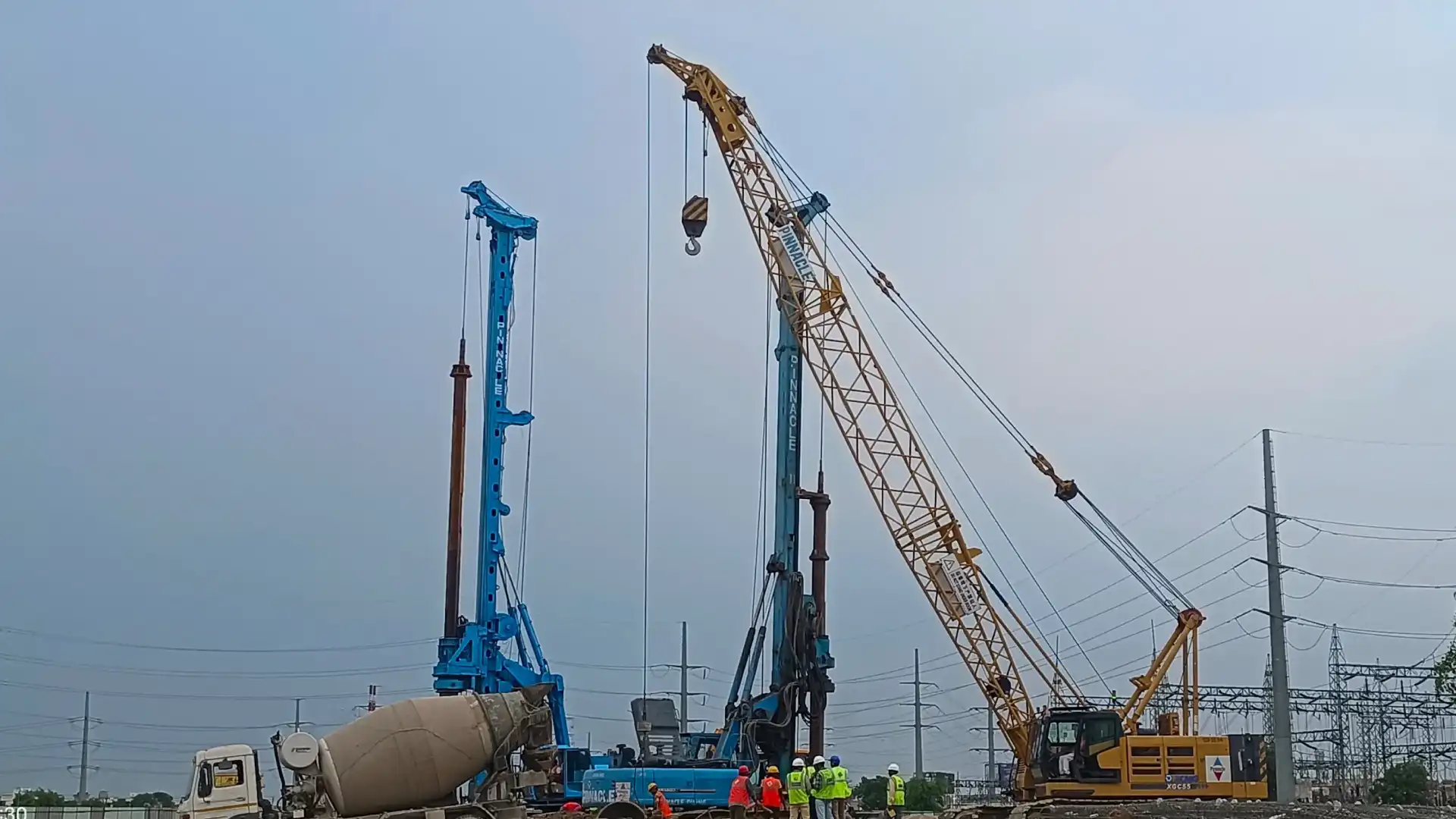
Piling is a vital component in building, providing crucial support for structures built on poor soil conditions. The main types of piling include driven foundations, drilled piles, and mini piles. Driven piles are typically made of cement or metal and are hammered into the ground. They are suitable for areas with dense soil and are commonly used for overpasses and skyscrapers. Bored piles involve excavating into the ground to create a cavity that is then complemented with cement. This method is suitable for settings where sound and tremors need to be reduced, making it a common choice for city construction endeavors.
Mini piles, a reduced version of standard piles, are designed for use in confined spaces. These are often used in upgrading and strengthening existing structures, particularly when dealing with limited access or challenging soil conditions. Micropiles can be installed with little site disturbance, making them an great option for home foundations and light structures in metropolitan environments. They provide substantial load-bearing capacity and can adapt to multiple soil types, enhancing the integrity of the buildings they support.
An additional type of piling is screw piles, which are screw-like structures that provide dependable support in complicated soil scenarios. They are often utilized in areas with soft soil or where conventional deep foundations are not advisable. Helical piles can be set up quickly and are fit for a wide range of uses, from residential projects to large-scale infrastructure developments. Understanding these diverse types of piling and their distinct uses is crucial for selecting the right foundation solution for your development.
Choosing the Best Piling Solution
Choosing the suitable piling solution for your project requires careful consideration of various factors. First and foremost, you need to evaluate the specific soil and site conditions. Soil type, load-bearing capacity, and moisture levels all have a significant role in determining the most suitable piling method. Speaking with a geotechnical engineer can provide valuable insights into the underlying geology and help identify the right solution tailored for your needs.
Next, look into the structural requirements of your building or infrastructure project. Different types of piles, be it they are driven, bored, or micropiles, deliver distinct advantages according to the application. For instance, driven piles are often used in cases that need immediate load-bearing support, while bored piles may be preferred in urban settings where surface disruption needs to be reduced. Understand how each type of piling interacts with the construction design to ensure stability and longevity.
In conclusion, evaluate the logistical and economic aspects of your piling options. Some methods may require more specialized equipment or longer installation times, which can impact overall project schedules and budgets. Working with experienced piling contractors who can provide insights into costs, efficiency, and best practices will help facilitate the selection process. Balancing performance, cost, and construction feasibility is crucial in choosing the right piling solution that fulfills your project objectives.