Revival Evolution: Contemporary Techniques for Water Damage Recovery
Water damage can strike unexpectedly, leaving homeowners feeling overwhelmed and uncertain about what to do next. Whether it’s caused by a burst pipe, a leaking roof, or even a natural disaster, the aftermath can be overwhelming. Immediate action is crucial, not only to mitigate further damage but also to protect your well-being and the integrity of your property. Understanding what to do immediately after water damage and how professional restoration techniques can help is vital in navigating this challenging situation.
In the past few years, advancements in water damage restoration technology and techniques have transformed the way property owners and restoration professionals approach the recovery process. From specialized equipment for water extraction to methods that prevent fungal development, getting ahead of water damage has never been more essential. This guide will explore everything you need to know about the restoration revolution, including common causes of water damage, how to detect it, and the steps to take for effective recovery. By arming yourself with knowledge and the right resources, you can protect your assets and ensure a swift return to normalcy.
Prompt Actions Following Water Damage
When faced with flood damage in your home, the first step is to ensure the safety of everyone in the household. In case the water is contaminated or involves electrical hazards, evacuate immediately and do not try to assess the damage alone. After it is safe, turn off the main electricity supply to prevent any electrical accidents. Additionally, in the event that the water is rising or coming from a burst pipe, shutting off the water supply will help mitigate further damage.
Next, begin to assess the extent of the damage. Document everything by taking photos and making notes, as this will be crucial for insurance claims later. Check for areas w here water has pooled and search for any visible signs of damage like stains or warping on walls, floors, and ceilings. This assessment will help you determine what immediate actions need to be taken, such as calling a professional restoration service or beginning to remove excess water.
After the danger has passed and you have assessed the situation, it is important to start drying out affected areas as quickly as possible. Utilize towels, mops, or a wet vacuum to remove standing water. Open windows and doors to ventilate the space, and where feasible, use fans and dehumidifiers to expedite the drying process. Acting quickly can help prevent mold growth and further damage to your home’s structure.
Comprehending Water Damage Repair
The process of water damage restoration is a essential process that involves the cleaning, fixing, and restoring of a building affected by water intrusion. If a home undergoes water damage, whether from a flooding event, a burst pipe, or a water-damaged roof, the resulting moisture can cause substantial harm not only to the structure but also to possessions. Understanding the restoration process is crucial for homeowners looking to mitigate damages and bring back their property to safe and comfortable conditions.
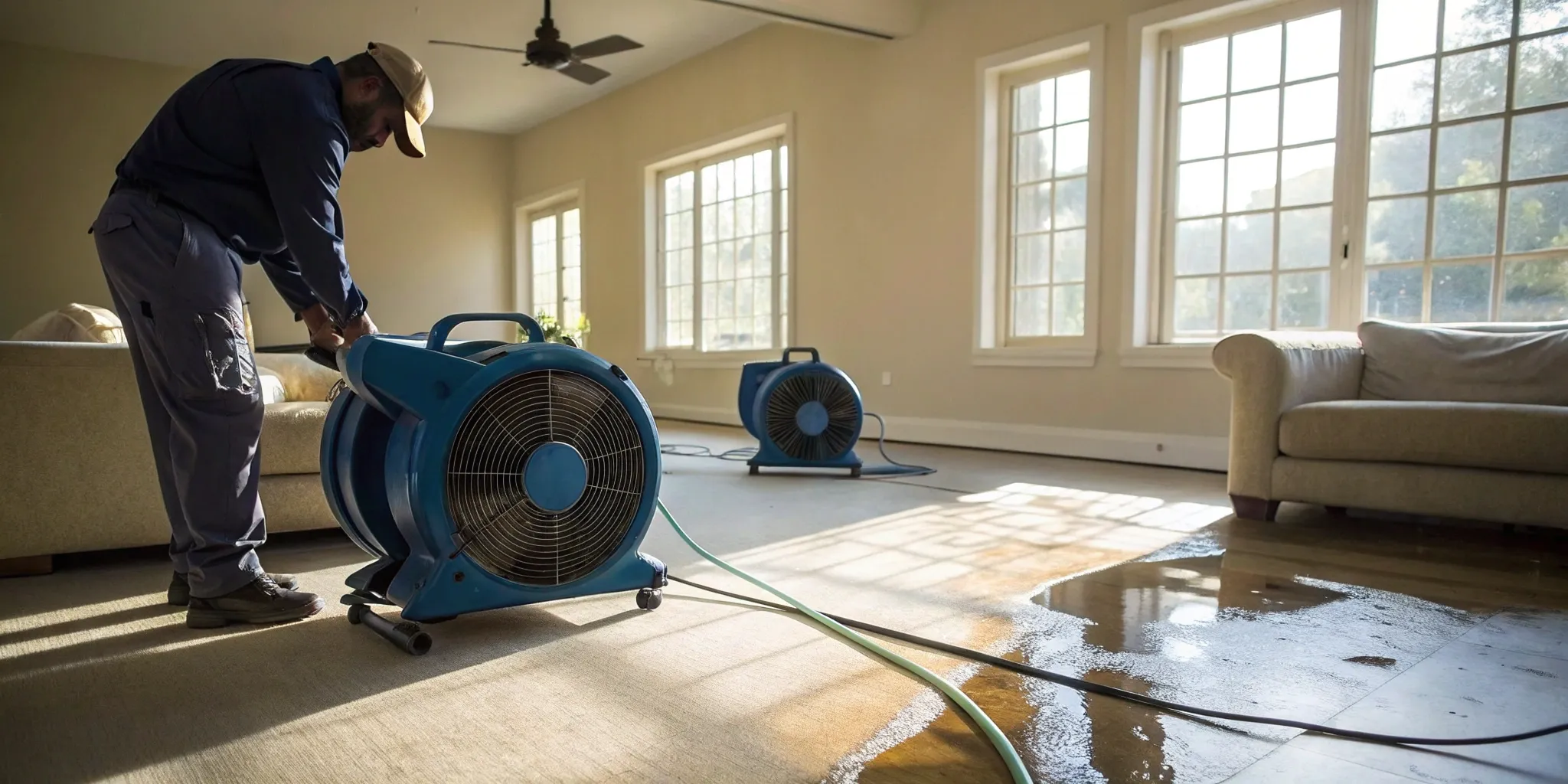
The initial step in water damage restoration generally consists of extensive water extraction, which is crucial for avoiding further damage and reducing drying time. Professional restoration companies utilize advanced equipment, such as pumps and industrial dehumidifiers, to eliminate standing water and moisture from different surfaces. This stage is critical to prevent complications including mold growth, which can develop within 24 to 48 hours after water exposure. Proper drying techniques, along with monitoring humidity levels, are crucial to ensure efficient restoration.
Once the water is extracted and drying is complete, the next stage focuses on repairing and rehabilitating damaged materials. This may entail installing flooring, drywall, and insulation that were affected by water exposure. It is also an opportunity when homeowners can evaluate and protect their belongings. Engaging with a local water damage restoration company can provide professional help and peace of mind throughout this complex process, ensuring that all aspect of restoration is managed competently and effectively.
Preventing Future Water Damage
To lower the risk of water damage in your home, regular maintenance is vital. Start by examining your roof for any indicators of damage, such as lost shingles or sunken areas. Clear gutters and downspouts to guarantee proper drainage and prevent water from gathering around your foundation. Additionally, look for fissures in your home's exterior and fill them to keep water out.
Inside your home, focus on plumbing fixtures and appliances. Frequently examine your pipes for leaks, particularly in areas susceptible to moisture like basements and bathrooms. Contemplate putting in water detection devices that notify you to leaks before they become major problems. Furthermore, service your appliances, such as washing machines and water heaters, by confirming they are adequately installed and maintained consistently.
It is also beneficial to landscape your yard with water flow in mind. Guarantee that the ground tilts away from your home, directing rainwater away from the foundation. Steer clear of overwatering your landscaping, and use mulch to retain soil moisture while stopping excess water from pooling. By taking these forward-thinking steps, you can effectively reduce the likelihoods of future water damage.