The explanation for Cladding Application represents a next step of House Renovation
Lately, spray cladding has surfaced as a revolutionary solution for residential renovation and property maintenance. This innovative method involves applying a layer of protection to a building's external cladding, enhancing both its appearance and longevity. As property owners and enterprises alike look for budget-friendly and streamlined ways to enhance their properties, the process of cladding spraying emerges as a favorable option. With growing interest in eco-friendly approaches, it's no wonder that more individuals are curious about how this technique operates and the benefits it delivers.
Cladding spraying not only enhances the aesthetics of a structure but also extends the life of the materials, providing superior resistance to weather and protection against various natural elements. This innovative method has seen adoption across different sectors, from houses to business properties, and even industrial units. By examining the pros of qualified cladding spraying contractors and understanding why it may be the smarter choice over old cladding replacement methods, property owners can make informed decisions that lead to increased value and curb appeal.
Understanding Exterior Spraying
Exterior coating is a new method used to enhance the outer facades of structures by applying a protective and aesthetically pleasing coat of coating. This methodology entails the use of dedicated spray equipment that evenly applies coatings to various types of cladding materials, including metals, wood, and plastic. The results are a renewed look and enhanced durability, making it a favored choice for both home and commercial properties.
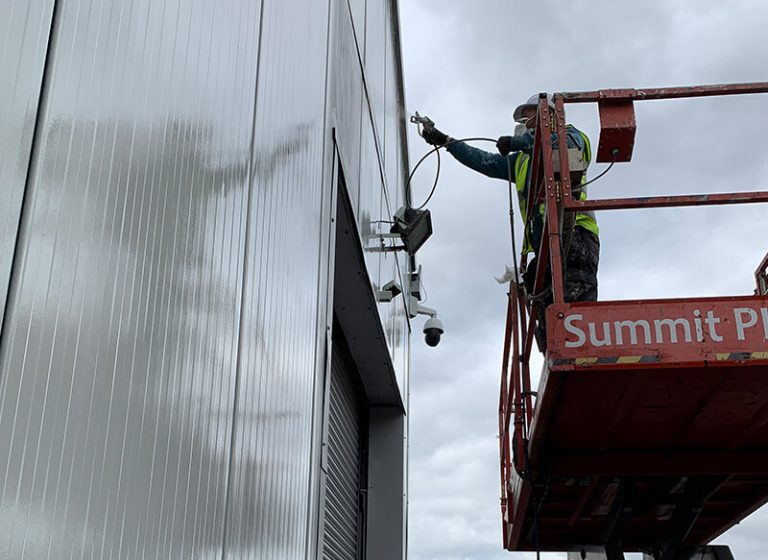
One of the key benefits of cladding spraying is its capacity to revive and refresh the look of aged structures without the necessity for complete replacement. This method can efficiently cover signs of damage, marks, or discoloration, prolonging the durability of the cladding while improving the overall aesthetic. Additionally, cladding spraying can be done in a varied variety of shades and finishes, allowing property owners to customize their properties to embody their brand or personal taste.
Grasping how cladding spraying works is essential for making informed choices regarding building renovations. The process generally starts with thorough surface preparation, which involves washing and fixing any defects. Once the surface is prepared, a premium coating is applied on, producing a smooth and even finish that adheres tightly to the material underneath. This comprehensive approach not only enhances aesthetics but also offers protection against the elements, ensuring that buildings remain attractive and stand the test of time.
Benefits of Facade Coating
Cladding spraying offers many gains that make it an attractive option for both domestic and corporate properties. Additional info of the most significant benefits is its ability to enhance the aesthetic attractiveness of a building without the requirement for major overhauls. By applying a a fresh coat of coating or custom paints, cladding spraying can entirely alter the look of a property, giving it a fresh and updated appearance. This process not only refreshes the exterior but also contributes to preserving a property's investment value, making it an outstanding investment for residential owners and business owners alike.
Another benefit, cladding spraying is its financial efficiency as opposed to complete cladding replacement. Renovating a building's facade can be a significant expense, but spraying presents a more economical solution that can significantly extend the life of existing surfaces. The process generally takes less duration and work, which contributes to lower overall costs. Moreover, high-quality coatings used in cladding spraying provide long-lasting protection against environmental wear, ensuring that the surface remains in superb shape for years to come.
Lastly, cladding spraying is an sustainable option that aligns with sustainable building methods. A variety of modern paints are formulated to lower environmental effects, cutting down on waste and making it easier to take care of buildings over the long term. By choosing cladding spraying, investors can support eco-friendly initiatives targets while gaining the gains of improved safeguarding, aesthetics, and value. This makes it an ever more popular choice for those looking to upgrade their buildings sustainably.
Cladding Coating vs. Replacement
When considering an upgrade for your building's exterior, two primary options often come to mind: cladding application and full cladding replacement. Cladding spraying involves putting on a new layer of specially designed paint or coating to the existing material, effectively refreshing the look and feel of the building. In contrast, replacement means taking off the existing cladding and installing fresh material, which can be a more invasive and time-consuming process. While these two options can enhance appearance and protection, the choice typically hinges on the status of the existing cladding and the intended results.
One of the main pros of cladding spraying is cost savings. The process generally requires less labor and fewer materials than a complete replacement, leading to lower overall expenses. Additionally, cladding spraying projects can often be finished much faster. This is especially helpful for business buildings where reducing interruption is essential. For many buildings, especially those with solid structural integrity, cladding spraying provides a feasible option to enhance aesthetic without the major commitment and higher costs of replacing cladding altogether.
However, there are situations where removal and reinstallation may be necessary. If the existing cladding is heavily damaged, rotting, or infested with pests, merely applying a coat over it may not provide the long-lasting protection for long-term protection. In such cases, a complete replacement guarantees any underlying issues are taken care of. Ultimately, the choice between cladding spraying and replacement should be determined by an inspection of the present condition of the cladding, budget considerations, and maintenance plans for the building’s maintenance and appearance.