The Incredible Automatic Doors Repair Tales: Tales of Success and Advice
Garage doors are an often-overlooked aspect of house upkeep, yet they play a crucial role in our everyday routines. A well-operating garage door not only guarantees the safety of our vehicles and valuables but also contributes to the curb appeal of our properties. However, like any mechanical device, garage doors can experience a host of issues that, if left unresolved, can lead to significant problems or even dangerous situations.
In this piece, we will delve into the various aspects of garage door repair, from identifying red flags that your door needs urgent care to offering practical solutions for common problems. Whether you’re an experienced do-it-yourselfer or someone who likes to rely on experts for repairs, our success stories and useful tips will arm you with the insight to tackle your garage door issues successfully. Join us as we explore the complex world of garage doors, ensuring you have the information you need to keep your property secure and functional.
Identifying Carriage Door Issues
A garage door is more than just an entrance; it serves as a crucial part of your house’s security and convenience. Recognizing when something is amiss can save you hours, money, and potential hazards. Keep an eye out for common signs such as unusual noises, slow operation, or the door not opening or closing at all. These issues often mean that your system requires immediate attention to prevent further damage or safety risks.
Another critical sign of garage door problems is the physical state of the door and its components. Be on the lookout for visible wear and tear, rust on metal parts, or out of alignment tracks. If you notice a door that shakes, hesitates, or has gaps when shut, these are all red flags. Additionally, check the door’s reaction to the controller or wall button; lack of reaction can indicate electrical issues or a malfunctioning opener.
For homeowners who observe their carriage door acting strangely, it is important to troubleshoot effectively. Getting acquainted with the usual issues can help you narrow down the issue. Simple steps like ensuring the sensors are clean or checking the power supply can sometimes fix minor problems. Understanding these signs and being proactive can lead to a more secure and more trustworthy garage door mechanism.
Do-It-Yourself Fixes versus Professional Assistance
When it comes to garage door fixes, many homeowners wonder if they should tackle the problems themselves versus hire a professional. Do-It-Yourself fixes can be a budget-friendly solution for minor issues such as oiling, adjusting the sensors or securing screws. For commercial garage door repair the woodlands who are handy, these easy fixes can lead to a feeling of success and reduce repair calls. However, it is crucial to know your limits and recognize when a problem requires expert expertise.
Some repairs, particularly those involving the garage door spring, wires, and opener, can be dangerous and complicated. A broken spring can store a significant amount of tension, posing a serious risk of harm if mishandled. Property owners should also consider the complex nature of garage door mechanisms; if the repair involves difficult electrical or structural components, it may be best to hand it over to the experts. Experts possess the knowledge and tools to diagnose issues correctly and fix them safely.
Ultimately, understanding what repairs you can handle and when to call a professional is key to maintaining your garage door. Routine maintenance and prompt repairs ensure the longevity of your garage door system. Ignoring signs of damage or attempting repairs beyond your capability level can lead to more significant problems and costs down the line. Always weigh the risks and potential costs when deciding on DIY repairs versus hiring a specialist.
Safety and Maintenance Tips
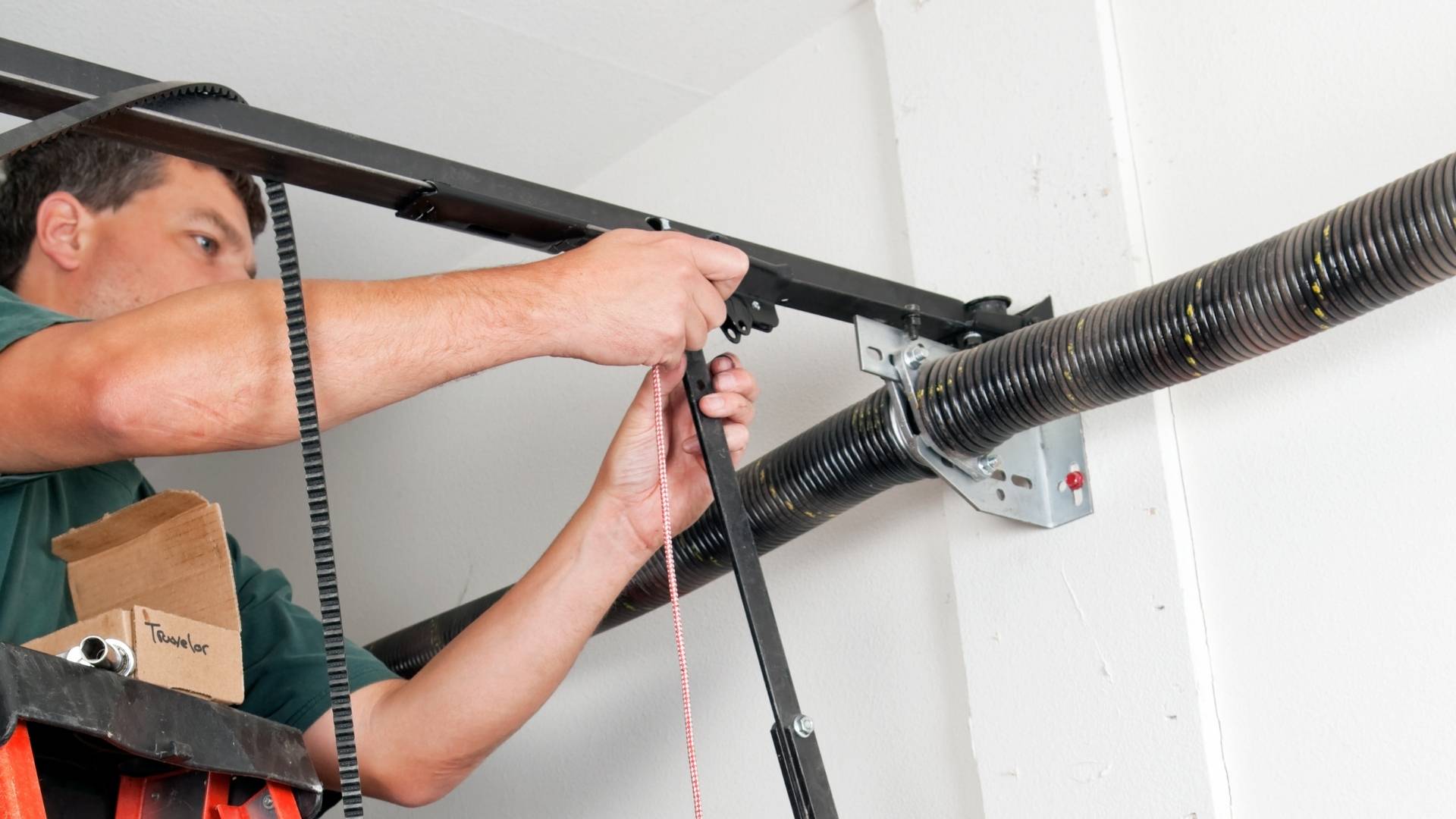
Maintaining your garage door is crucial not only for its longevity but also for your safety. Regularly check the door's balance by disconnecting the opener and manually lifting the door halfway. It should remain in place without effort. If it comes down or lifts, the springs might be misaligned, suggesting a need for adjustment. Always be careful around operational parts and don't attempt repairs if you feel unsure.
Lubrication is key in keeping your garage door functioning smoothly. Apply a silicone lubricant to the rollers, hinges, and tracks to minimize wear and diminish noise. Steer clear of using grease, as it can draw in dirt and debris, resulting to potential damage. A properly lubricated door not only operates quietly but also prolongs the life of its components.
Be mindful of security features such as photo-eye sensors, which prevent the door from closing when obstructions are detected. Regularly clean the sensors to make sure they work effectively. Educating all household members about garage door safety, including staying hands and fingers away from moving parts, will further enhance overall safety. Remember, good maintenance today can help you avoid expensive repairs tomorrow.