The Surge of Artificial Intelligence Agents: Transforming Our Daily Lives
In the modern era, the integration of artificial intelligence into our daily lives is rising in prominence. One of the most intriguing developments in this domain is the advent of AI agents, which are designed to perform a wide range of tasks without human intervention. These cognitive systems are beyond being tools; they embody a change in how we engage with technology, as they adapt to their environments and improve over time. For organizations and people alike, understanding what AI agents are and how they operate is essential for utilizing their capabilities.
This article investigates the ascendance of AI agents and their impact on contemporary society. We will analyze the differences between AI agents and conventional chatbots, examine how they are revolutionizing various industries, and talk about their significance in automating everyday tasks. Whether you are a business owner looking to enhance productivity or simply curious about the technology, this comprehensive guide will provide important insights into the evolution of AI agents and their significance in daily life.
Understanding AI Agents
AI agents are advanced software programs designed to interact with users and carry out tasks independently. They leverage cutting-edge algorithms and machine learning techniques to understand and respond to user inputs, enabling them capable of performing a variety of functions without real-time human intervention. This capability allows them to significantly enhance efficiency and productivity across various sectors, transforming how businesses run and communicate with customers.
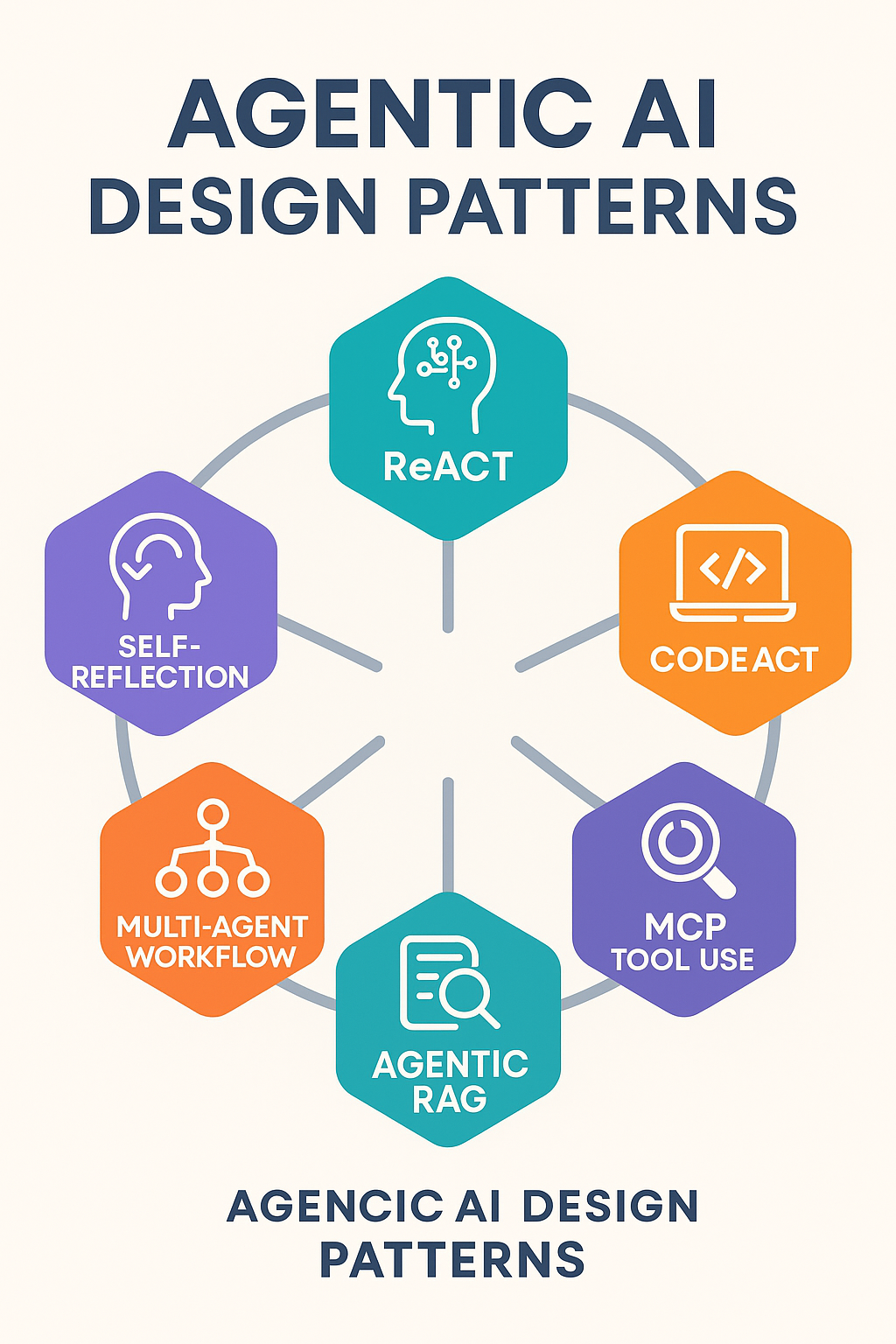
The core of an AI agent's functionality lies in its capacity to learn from data and adapt its responses based on new information. This educational process empowers AI agents to refine their performance over time, making them increasingly efficient in tasks such as customer service, data analysis, and workflow automation. By studying patterns and trends, AI agents can provide perspectives and suggestions that help businesses reach informed decisions and fine-tune their operations.
In comparison with traditional software applications, AI agents offer a far more engaging and interactive experience. They can simulate human-like conversations, understand context, and provide personalized responses. This level of interaction not only enhances user engagement but also leads to improved customer satisfaction as AI agents are available around the clock to assist with inquiries, complete transactions, and support various business processes. As technology continues to evolve, the role of AI agents in influencing our daily lives and business practices will only increase more prominent.
Revolutionary Impact of Artificial Intelligence Agents on Business
Artificial Intelligence agents are progressively growing integral to current enterprises, optimizing operations and boosting efficiency. These independent systems take on various tasks customarily performed by humans, allowing organizations to distribute resources more strategically. By systematizing routine tasks, businesses can cut operational costs while concurrently enhancing productivity. Irrespective of whether managing inventory, scheduling meetings, or processing transactions, AI agents provide the reliability and speed essential to thrive in today's cutthroat landscape.
Additionally, the role of AI agents extends beyond mere automation. They are revolutionizing customer interactions by delivering customized experiences tailored to individual preferences. This capability helps companies develop deeper customer relationships, leading to heightened satisfaction and loyalty. In advertising, for example, AI agents scrutinize vast amounts of data to recognize trends and optimize campaigns, ensuring businesses connect with their target audiences effectively. This strategic approach not only improves engagement but also boosts conversion rates.
The future of AI agents in the job market looks bright as their capabilities continue to progress. Innovations in machine learning enable these agents to become smarter and more flexible, gaining knowledge from events to improve decision-making over time. As businesses embrace this technology, they are also realizing the capabilities of AI agents to foster collaboration within teams. By improving project management and collaboration, AI agents create a more adaptable work environment, positioning companies to adapt quickly to changing market needs.
Future Developments and Best Methods for AI Agents
As AI agents continue to evolve, we can anticipate significant progress in their capabilities and applications across multiple industries. One crucial development is the increased integration of AI agents with machine learning algorithms that enable them to gain knowledge from user interactions and improve over time. This evolution will enhance their ability to provide tailored experiences, making them pivotal in sectors like medical, finance, and consumer support. Additionally, the growing focus on ethical AI and data privacy will lead to the development of regulations that guide the responsible deployment of AI agents, ensuring they function transparently and securely.
Best practices for businesses seeking to adopt AI agents include starting with a defined comprehension of their objectives and choosing the right tools that fit their needs. Companies should focus on user experience by engaging stakeholders in the design process to build intuitive interfaces that allow for seamless interaction. Regular education and refreshes for AI agents will also be important to ensure their relevance and effectiveness, as business landscapes and consumer expectations keep to change quickly.
In the future, we can anticipate the emergence of cooperative AI agents that function in unison in collaborative frameworks. These systems will allow for more complex tasks to be executed efficiently, drawing on the distinct strengths of each agent. Furthermore, as Process AI Agents become more prevalent, there will be an increased attention on their impact on workforce dynamics, necessitating approaches to guarantee that human workers can coexist and thrive alongside these technologies. Adopting these trends and best practices will enable organizations to utilize the full capability of AI agents, driving innovation and growth in the years to come.